Do Small Businesses Still Need Websites in 2026?
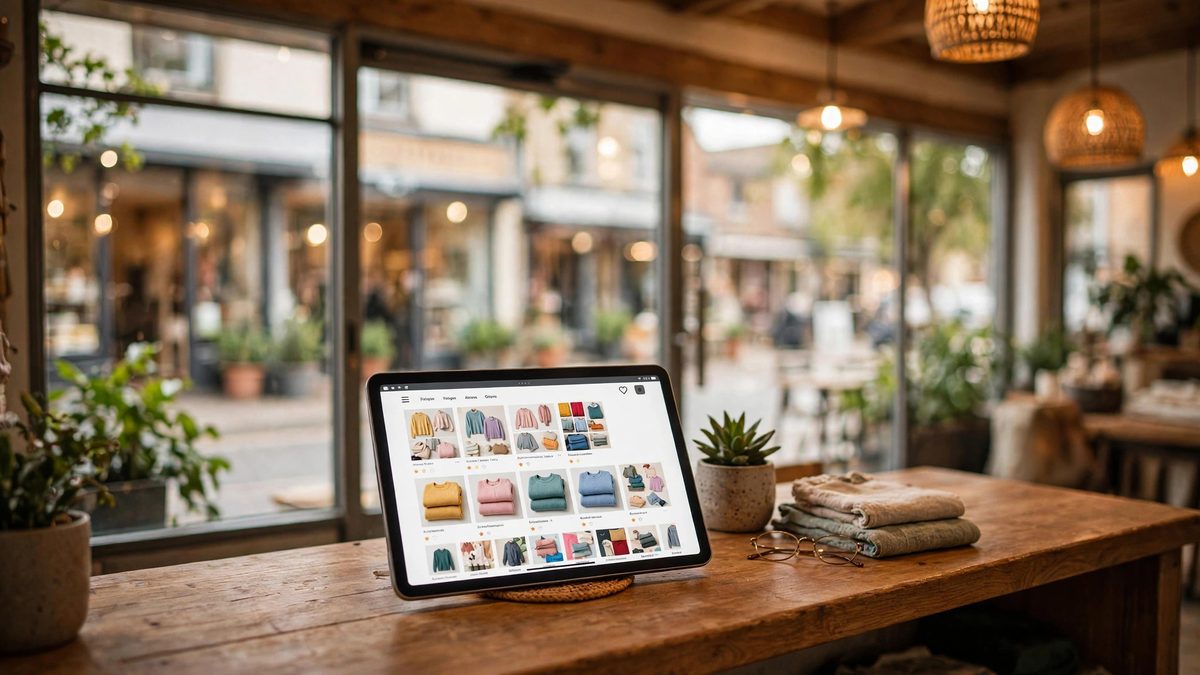
"Do small businesses still need websites in 2026?" It is a fair question. Between Instagram, TikTok, Google Business Profiles, and AI chatbots that answer questions directly, it can feel like a website is optional now. It is not. In fact, small businesses need websites more than ever — because every one of those other channels has a catch, and your website is the only online asset you fully control.
- "But I Get Customers From Instagram" — The Rented Land Problem
- Google Still Sends Buyers — and Buyers Still Check
- AI Search Makes Websites More Important, Not Less
- What a Website Does That Nothing Else Can
- Why Small Businesses Need Websites: The Bottom Line
- What If You Truly Cannot Afford a Website Yet?
"But I Get Customers From Instagram" — The Rented Land Problem
Social media is powerful for discovery, but it is rented land. The platform decides who sees your posts (typically a small fraction of your followers), can change the rules overnight, can suspend your account by mistake, and can — as many businesses learned — decline in relevance while your entire audience lives there. A website is owned land. Nobody can throttle your homepage, demonetize your service page, or delete your contact form. Smart businesses use social media as the fishing net and their website as the boat — you catch attention out there, but you bring customers home. Our comparison of website vs Facebook page breaks down exactly what each can and cannot do.
Google Still Sends Buyers — and Buyers Still Check
When someone needs a plumber, a lawyer, or a restaurant, they still Google it — and then they click through to websites to compare. A Google Business Profile alone rarely closes the deal; it is the website that answers "can I trust them, what do they charge, how do I book?" Businesses without websites lose the comparison step entirely. Local SEO fundamentals in our local SEO guide all assume one thing: a real website to rank.
AI Search Makes Websites More Important, Not Less
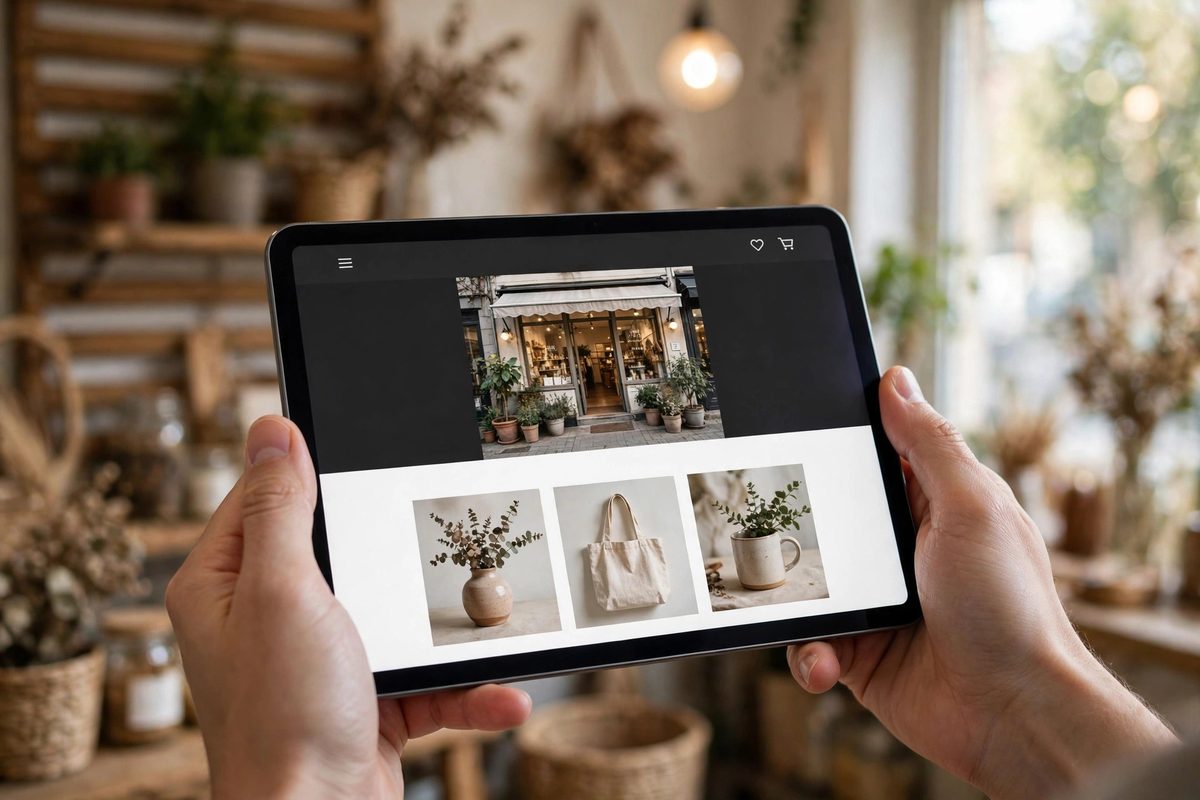
Here is the twist most people miss: AI assistants and Google's AI answers do not replace websites — they read websites. When someone asks an AI for "the best dentist near me," it synthesizes answers from business websites, reviews, and listings. Businesses with clear, well-structured websites get cited and recommended; businesses with no website are invisible to the AI entirely. Having no site in 2026 does not just lose you Google clicks — it erases you from the answers AI gives your potential customers.
What a Website Does That Nothing Else Can
Five jobs only your website performs:
- →24/7 salesperson. It answers questions, shows proof, and takes inquiries while you sleep — no other channel does all three.
- →Credibility anchor. Customers check: businesses without websites look less legitimate to a large share of buyers, especially for high-trust services.
- →Conversion machine. Social profiles cannot host quote calculators, booking systems, or detailed service funnels. Your site can — see how website funnels work.
- →Data you own. Visitor analytics, email signups, and customer behavior belong to you — not to an algorithm.
- →Compounding asset. Content you publish this year still brings visitors in three years. Social posts die in days.
Why Small Businesses Need Websites: The Bottom Line
The businesses that say "websites don't work" usually have one of two problems: a five-page brochure site from 2019 that nobody can find, or no site at all. Neither proves anything about websites in general. What works in 2026 is a fast, mobile-first site with clear calls to action, real local SEO, and content that answers customer questions — the kind of site described across our guides, from high-converting homepages to call-generating pages.
And it does not have to be expensive or enormous. A focused one-page or starter site that loads fast, looks professional, and makes contacting you effortless will outperform most bloated corporate sites — because small business customers want clarity and a phone number, not animations.
So yes — small businesses still need websites in 2026. More precisely, they need them more than before, because the businesses without one are becoming invisible in exactly the places customers now look: Google, maps, and AI answers. If you have been putting it off, the best time to start was five years ago; the second-best time is this month. A professional consultation can map out the smallest effective site for your business.
What If You Truly Cannot Afford a Website Yet?
If the budget is genuinely zero, do not let that stop you from existing online properly. Start with a complete Google Business Profile (free, and often the first thing customers see), claim your free listings, and use a simple one-page builder or even a well-organized Facebook page as a temporary hub. But treat these as scaffolding, not the building: set a concrete trigger — "when I close my next three jobs" — to invest in a real site. The businesses that stay on free-only setups for years do not save money; they quietly lose the customers who checked, found nothing solid, and called the competitor with the professional site instead.
Frequently Asked Questions
Do small businesses need websites in 2026?
Yes. Websites remain the only online asset you fully own, they feed Google rankings and AI answers, and customers still check them before buying. Social media complements a website — it does not replace one.
Can I just use Instagram instead of a website?
You can get discovery from Instagram, but you cannot control reach, you cannot build search visibility, and you risk everything on one platform's decisions. Use social for attention and a website for conversion and credibility.
Do AI chatbots make websites obsolete?
No — AI assistants generate answers by reading websites. Businesses with clear, structured sites get cited by AI; businesses without sites are invisible in AI answers. A website is now your feed into AI search.
What is the minimum website a small business needs?
A fast, mobile-friendly site with your services, proof (reviews), clear contact options, and basic local SEO. Even a strong one-page site covers the essentials and can grow as the business does.

Muhammad Usman designs and builds high-converting websites for small businesses — and writes practical guides like this one from real project experience.
Keep Reading
How Often Should You Redesign Your Website?
Can I Update My Website Myself After It's Built?
What Happens If My Web Designer Disappears?
Need a Website That Actually Performs?
Fixed pricing, professional build, live in weeks. Tell us about your project — free strategy call, no pressure.