Upselling and Cross-Selling Techniques for Online Stores
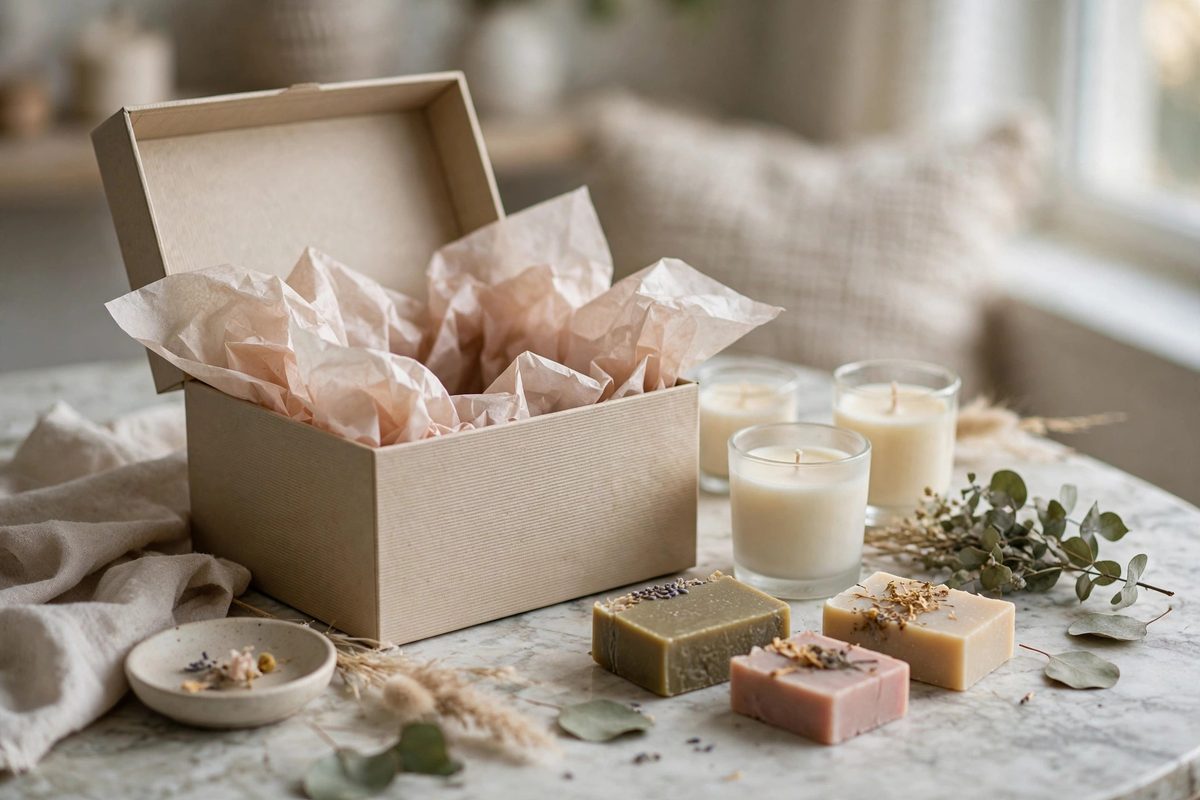
Acquiring a new customer costs far more than selling more to an existing one — which is why upselling and cross-selling are among the highest-ROI tactics in e-commerce. Done well, they raise average order value without raising ad spend; done poorly, they feel pushy and cheapen your brand. This guide covers the techniques that actually work for small online stores, where to place each offer, and how to keep every suggestion genuinely helpful.
Upselling vs Cross-Selling: Know the Difference
Upselling means encouraging the shopper to buy a better or larger version of what they are already considering — the premium model instead of the basic one, the 3-pack instead of the single. Cross-selling means suggesting complementary products — the phone case with the phone, the shampoo with the conditioner. Both raise order value, but they work at different moments and need different framing.
The golden rule for both: the suggestion must make sense for the buyer, not just your revenue. A relevant recommendation feels like service; an irrelevant one feels like a cash grab. Every technique below follows that principle.
Upselling Techniques That Convert
The most effective upsell is the side-by-side comparison. On your product page, show the standard and premium versions together with the differences highlighted — shoppers happily pay 15–30% more when they can see exactly what the extra money buys. Another strong technique is the quantity upsell: "Buy 2, get 10% off" or subscription pricing that rewards commitment. Both work because the shopper was already going to buy; you are simply making the bigger option the smarter choice.
At checkout, a one-click upgrade offer performs well: "Upgrade to express shipping for $4.95" or "Add gift wrapping for $3.99." Keep checkout upsells to a single, low-priced, relevant offer — this is not the place for a hard sell. For a full breakdown of page-level tactics, see our product page optimization guide.
Cross-Selling Techniques That Feel Helpful
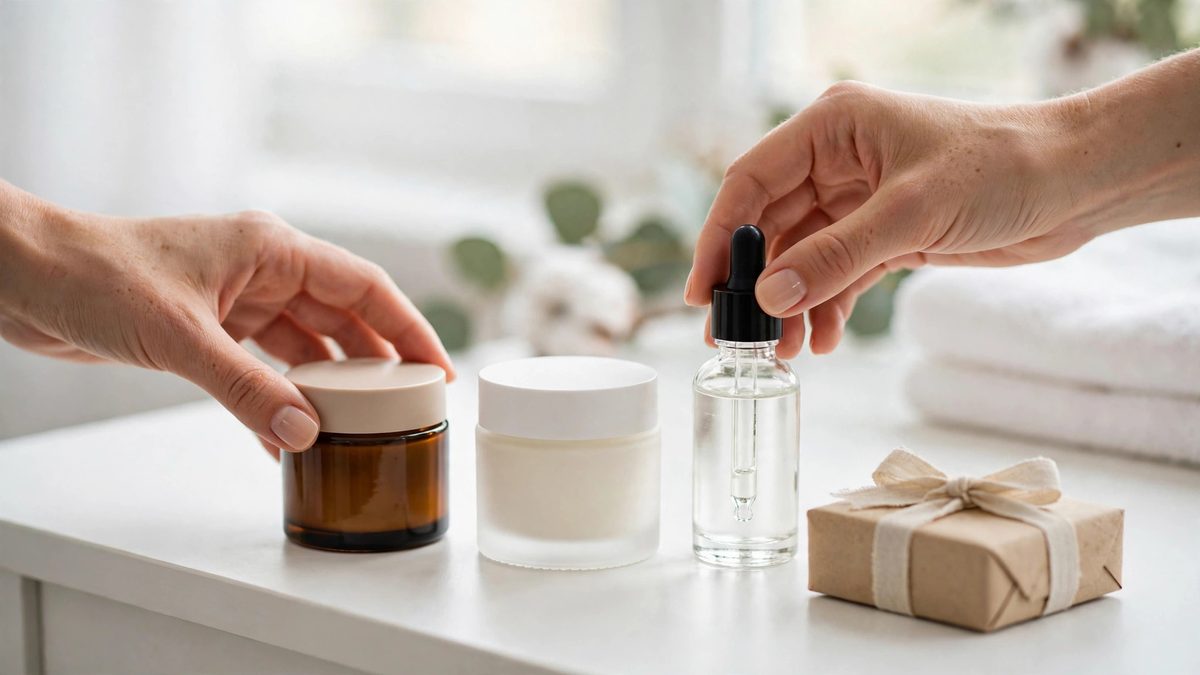
"Frequently bought together" and "complete the look" sections are the workhorses of cross-selling. Place them on product pages below the main content and in the cart drawer, showing 2–4 genuinely complementary items with one-click add buttons. Bundles take this further: package related products at a small discount versus buying separately, which increases perceived value while moving more inventory.
Post-purchase emails are an underused cross-sell channel. A week after delivery, email the buyer with accessories or refills for what they bought — timing it to when they are actually using the product. Because the sale already happened, these emails feel like follow-up service rather than selling.
- →Product page: comparison tables for upsells, "frequently bought together" for cross-sells.
- →Cart: one low-priced complementary add-on, never a wall of options.
- →Checkout: a single relevant upgrade, framed as convenience.
- →Post-purchase email: refills, accessories, and complementary items timed to usage.
Here is how this looks in practice for a hypothetical skincare store. On the moisturizer product page, a comparison table shows the 50ml ($24) versus the 100ml ($39, labeled "best value") — a classic upsell. Below it, a "complete your routine" section suggests the matching cleanser and serum with one-click add buttons — the cross-sell. In the cart, a single $6 lip balm appears as a low-priced add-on. A week after delivery, an email arrives suggesting sunscreen, timed for when the moisturizer is about half used. Each offer is relevant, each is easy to decline, and together they can lift the average order value by 30% or more without a single extra visitor.
Upselling and Cross-Selling Rules to Follow
Keep the price gap reasonable — upsells priced more than about 25–30% above the original item see sharply lower acceptance. Limit yourself to one upsell and a handful of cross-sells per page; more choices create decision fatigue and can actually reduce conversion. Always make the original choice easy to keep — a shopper who feels trapped into an upgrade will abandon the cart entirely, which is the opposite of what you want (see our guide on reducing cart abandonment).
Finally, measure everything. Track attachment rate (what percentage of orders include an upsell or cross-sell) and average order value before and after each change. A technique that lifts order value but hurts conversion is a net loss — the numbers will tell you. Start with one placement, prove it works, then expand. If you want help implementing these tactics on your store, a professional consultation can identify your highest-value opportunities.
Test one variable at a time: the offer itself, its price point, or its placement on the page. Change the cross-sell products first while keeping everything else constant, run it for two weeks, then compare attachment rates. Patient, isolated testing is what separates stores with reliable upsell revenue from stores with random tactics that may or may not be working.
Frequently Asked Questions
What is the difference between upselling and cross-selling?
Upselling encourages buying a better or larger version of the same product; cross-selling suggests complementary products alongside it. Both raise average order value but work at different moments in the buying journey.
How much can upselling and cross-selling increase revenue?
Results vary, but well-placed offers typically lift average order value by 10–30%. Because the traffic cost is zero — these are shoppers already buying — nearly all of that lift flows to profit.
Where should I place cross-sell offers?
Product pages (below the main content), the cart drawer, and post-purchase emails. Keep each placement to a few relevant items with one-click add buttons.
Can upselling hurt conversion rates?
Yes, if overdone. Too many offers or pushy framing creates friction and can increase cart abandonment. Limit offers, keep price gaps reasonable, and always let the shopper easily keep their original choice.

Muhammad Usman designs and builds high-converting websites for small businesses — and writes practical guides like this one from real project experience.
Keep Reading

How to Choose Product Photos That Increase Sales
How to Handle Shipping on a Small E-Commerce Site

How to Price Products for Your Online Store
Need a Website That Actually Performs?
Fixed pricing, professional build, live in weeks. Tell us about your project — free strategy call, no pressure.